Posts

How to Prepare Your Roof for Extreme Weather Events

Weathering the Storm: How to Prepare Your Roof for Extreme Weather Events

In the changing weather patterns of the Dallas Fort Worth region homeowners encounter a range of climatic obstacles that put their homes, especially their roofs to the test. The areas geographical location and unique atmospheric conditions contribute to a variety of weather events.

During springtime hailstorms are an occurrence, of causing considerable damage, to conventional roofing materials and resulting in leaks and structural issues. These hailstorms can be fierce. Produce hailstones large to cause substantial harm.

On the other hand summer poses a different challenge with its scorching heat. Temperature can rise above 100°F subjecting roofs to relentless stress. This accelerates wear and tear on roofing materials, shortening their lifespan and increases energy consumption as homeowners strive to stay cool.

As if hailstorms and high temperatures weren’t enough the Dallas Fort Worth area is also prone to winds, thunderstorms and occasional tornadoes. These powerful winds can dislodge shingles, and create points in roof structures and lead to severe issues if left unattended.

However daunting these challenges may seem at glance by planning using materials and regularly maintaining your roof you can make it more resilient, against extreme weather conditions. It’s important to comprehend the challenges posed by your region and take measures to ensure that your roof provides more than just shelter. It acts as a strong defense against the elements.

The role of your roof goes beyond being a layer of your home; it is a complex structure designed to protect, insulate and preserve. Often underestimated until something goes wrong it is crucial to prioritize its readiness due to the climate.

This comprehensive guide focuses on the weather challenges faced by homeowners in the Dallas Fort Worth area. It provides solutions and strategies for keeping your roof sturdy and secure of what Mother Nature throws at you. From selecting materials and performing maintenance to being prepared for emergencies these insights empower you to take charge of safeguarding the most critical protective layer of your home.

Understanding the Challenges: Local Weather Patterns

Hail Storms and Thunderstorms

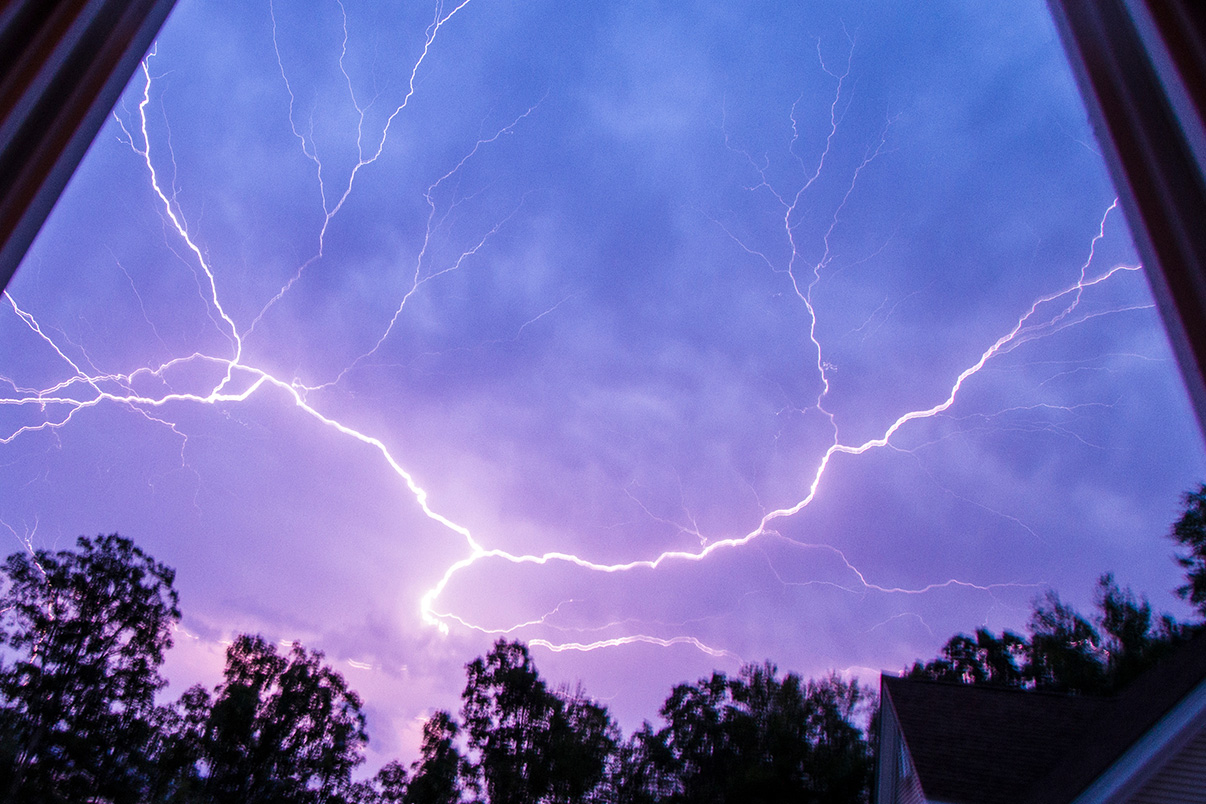
Dallas Fort Worth is well acquainted with thunderstorms accompanied by hail. A combination that poses risks to buildings, particularly roofs.In this area where warm and moist air, from the Gulf of Mexico meets cooler and drier air from the West we witness a clash in the sky. This confrontation often leads to thunderstorms that can bring rainfall and large hailstones.

Hail in particular poses a threat to roofing materials. Depending on the severity of the storm hailstones can vary in size from pellets to large golf balls or even bigger. When these icy projectiles fall at speeds they have the potential to cause dents, cracks or even punctures on roofing materials like asphalt shingles, tiles or metal panels.

The damage caused by hail may not always be immediately apparent to an eye especially if the hailstones are smaller. Nevertheless minor impacts from hail can weaken the granular surface of asphalt shingles over time. This degradation can result in leaks, reduced lifespan of the roof. Compromise its structure.

On top of that violent thunderstorms often accompany winds and heavy rain along with hail. The forceful wind can. Tear shingles apart creating openings through which water can enter. Once water infiltrates the roofs surface it has the potential to cause rotting in structures while also promoting mold growth and damaging insulation materials.If these concerns are not addressed they can result in expensive repairs in the future.

Moreover, when hail and wind combine forces it can have an impact on the roof. While hailstones pound the surface wind driven rain can exploit any vulnerabilities making the damage worse.

How Can Homeowners Safeguard Their Homes from Thunderstorms and Hail?

Choosing the Right Roofing Material

Hail Shingles: Opting for shingles that are designed to withstand hail impacts can help prevent or minimize damage.

Metal Roofing: Metal roofs often offer resistance against hail damage due to their sleek surface.

Regular Roof Inspections and Maintenance

Professional Inspections: Having a roofing expert conduct inspections of your roof can help identify weak areas or existing damages that require repairs.

Prompt Repairs: Taking action in case of storm related damages can prevent issues from escalating into major problems.

Protecting Windows and Siding

Storm Shutters: Investing in storm shutters or impact resistant windows can mitigate glass and associated injuries during storms.

High Quality Siding: Durable siding is capable of withstanding hail impacts while ensuring your home’s exterior remains safeguarded.

Things to Keep in Mind for Your Home Landscaping

Maintain Trees and Branches: It’s important to trim trees and branches near your house to reduce the risk of them falling during winds or storms.

Secure Outdoor Objects: Make sure to secure or store furniture and other items that might become projectiles during a storm.

Maintaining Your Gutters

Clearing the Gutters: Regularly clear out any debris from your gutters to ensure that heavy rain water can flow freely preventing any water buildup or leakage into your home.

Consider Installing a Lightning Protection System

Lightning Rods and Grounding: If you live in an area of thunderstorms installing a lightning protection system can help divert lightning strikes into the ground protecting your home from potential fire or electrical damage.

Understanding Your Home Insurance Coverage

Know Your Policy: Understanding what your insurance covers regarding hail and storm damage is crucial. It’s recommended to maintain up to date photographs and documentation of your home’s condition as evidence in case you need to file a claim.

Considering Coverage: If you reside in an area with hailstorms it might be worth considering additional hail insurance, for added protection.

Documenting Maintenance: Keeping a record of all repairs and maintenance can be valuable when making an insurance claim.Living in an area, with thunderstorms and hailstorms it becomes crucial to comprehend the harm they can cause and take necessary precautions. Homeowners can protect their roofs by investing in materials and regularly maintaining them, reducing the impact of these weather events and ensuring the durability of their roofs.
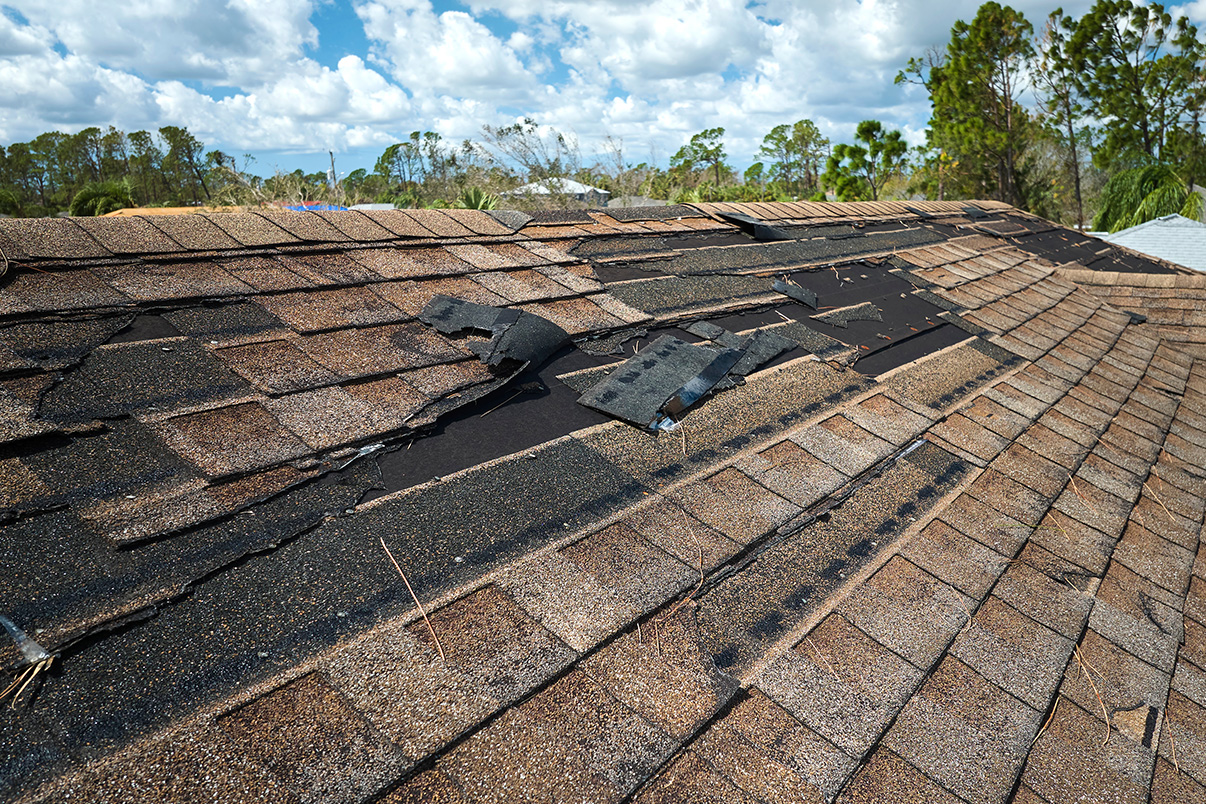
The Intense Heat of Summer

When it comes to summer in the Dallas Fort Worth area we all know one thing, for sure; the heat can be relentless. With temperatures exceeding 100°F it’s not a matter of discomfort for residents but also a challenge for their homes, especially their roofs. As the sun beats down without mercy it becomes crucial to consider the heat resistance and energy efficiency of roofing materials.

The Challenge of Extreme Temperatures

Roofs are constantly exposed to the scorching sun absorbing an amount of heat. In this region, where the sun’s rays are exceptionally strong, traditional roofing materials can become unbearably hot. This excessive heat doesn’t stay confined to the roof; it seeps into our homes. Raises indoor temperatures putting added strain on our cooling systems.

This continuous exposure to stress can cause roofing materials to deteriorate over time. The daily cycle of heating and cooling leads to expansion and contraction that may result in cracks, warping or other structural damage. Additionally UV rays from the sun can further weaken these materials making them brittle and susceptible to leaks.

Striking a Balance between Comfort and Costs

The role of a roof in absorbing heat isn’t merely a matter of structure; it directly affects energy consumption well. As the roof absorbs heat the temperature inside the house increases causing homeowners to rely more on air conditioning. This increased usage of cooling systems can result in a rise in energy bills during the summer months.

Solutions for Dealing with a Hot Climate

Considering these challenges homeowners in the Dallas Fort Worth area need to evaluate their roofing choices considering both heat resistance and energy efficiency. Here’s what you can do;

Opt for Reflective Materials: Some modern roofing materials have coatings that reflect a portion of the sun’s rays, which helps reduce heat absorption. This does not only keep your home cooler, it also reduces stress on the roofing material itself.

Ensure Insulation: Effective insulation beneath the roof acts as a barrier and minimizes heat entering your living spaces. This can lead to cooling costs and a comfortable home.

Implement Good Ventilation: A designed roof ventilation system allows hot air to escape, further decreasing the amount of heat inside your house. It also helps prevent moisture buildup and reduces the risk of mold or structural damage.

Consider Green Roofing Options: If you’re interested in solutions consider roofs, with vegetation. They provide insulation and cooling effects by absorbing and reflecting sunlight.

The hot summers in the Dallas Fort Worth area are more than an inconvenience; it has a significant impact on choosing, designing and maintaining a home’s roof. By prioritizing heat resistance and energy efficiency homeowners can safeguard their investment, reduce energy usage and increase comfort. Considering the climate and collaborating with roofing professionals who understand the unique challenges of the region can result in a roofing system that not only withstands but thrives in the scorching Texas heat.

Tornadoes and Strong Winds

Although tornadoes are uncommon they do occur occasionally in the Dallas Fort Worth area. Even regular thunderstorms bring winds that put your roof’s integrity to the test. These forces should not be underestimated as they can cause damage to both the exterior and interior of your home. Understanding these risks and taking measures to fortify your roof is crucial.

Tornadoes: Unpredictable and Destructive

Tornadoes may be rare in this region. They are not unheard of. These swirling wind vortexes have the capability to demolish buildings, uproot trees and turn debris into projectiles. While it is impossible to make a roof tornado proof, certain construction techniques and materials can enhance its resistance against forces.

The Impact of Thunderstorm Winds; A Common Concern

In contrast to tornadoes, thunderstorms often bring along winds that are frequently encountered. While the intensity of these winds may vary they can cause damage to roofs. This includes the lifting of shingles, tearing of gutters and even loosening of flashing. Such damages not affect the appeal of your home but can also result in water leaks, structural vulnerabilities and subsequent interior harm.

Effective Approaches to Strengthen Wind Resistance

Roof Design and Construction

Aerodynamic Structure: Roofs that are designed to minimize wind resistance can effectively counteract the “lifting” effect caused by winds.

Secure Installation: By using wind nails and secure fastening techniques, shingles and other roofing materials can be firmly anchored in place.

Quality Underlayment: An underlayment acts as a layer of defense against water infiltration if shingles get damaged or blown away by wind.

Utilizing Wind Resistant Materials

High Wind Rated Shingles: Certain types of shingles are specifically engineered to withstand winds and undergo testing to meet established wind resistance standards.

Metal Roofing: installed metal roofs offer protection against wind related damages.

Regular Roof Inspections and Maintenance

Before the storm season it’s important to have an assessment of your roof to check for any areas that need repairing. This will help prevent any damage during storms.

Taking Care of Your Home and Surroundings

To ensure safety make sure outdoor items like patio furniture are secured or stored properly to prevent them from becoming hazards in winds. Consider installing storm shutters or impact resistant windows to protect against glass caused by wind driven debris. Additionally keep trees and branches trimmed from your house to minimize the risk of damage during winds.

Being Prepared for Weather

Whether it’s a tornado or powerful thunderstorm winds it’s crucial for homeowners to be prepared. By understanding the risks and taking steps to enhance wind resistance you can protect both your roof and home from damage. While we can’t control the weather we can certainly control how well our homes withstand its forces. With design choices, careful material selection and regular maintenance you can create a sanctuary that can withstand even the most forceful winds.

Factors to Consider for Landscaping

When it comes to protecting your home during storms homeowners should prioritize two practices; trimming trees and maintaining gutters. These tasks require attention and care in areas, like the Dallas Fort Worth region where the weather can be unpredictable. Lets explore these considerations in detail;

Trimming Trees: Ensuring Storm Damage Prevention

Trimming branches that are close to your roof serves a purpose beyond enhancing the appearance of your property; it plays a crucial role in safeguarding your roof and overall property during storms.

Mitigating Falling Branches: During storms large overhanging branches have the potential to break and fall onto your roof leading to damage such as shingle or tile breakage or even causing issues that result in leaks.

Wind borne Debris Risks: branches can become dangerous projectiles when strong winds are at play. They have the potential to break windows or cause damage to surfaces.

Assessments and Trimming: It is advisable to have an arborist or tree service regularly assess the trees surrounding your property. They can trim back branches that pose a risk and also identify any weakened trees that may fall during a storm.

Tree Removal Consideration: In cases it may be prudent to remove a tree if it poses a significant risk to your house or other nearby structures.

Water Drainage: Taking Care of Your Gutters. Your gutters play a role in directing rainwater away from your home. It’s crucial to maintain them especially when heavy rains occur.

The Significance of Clear Gutters: When leaves, twigs or other debris clog your gutters water can back up. Overflow. This can lead to water seeping under your roof or running down the sides of your home potentially damaging the foundation.

Regular Cleaning: Depending on your surroundings you may need to clean your gutters times a year. This ensures that rainwater can flow freely and is directed away from your home.

Inspect for any Damage: Apart from cleaning it’s important to check for any cracks, loose connections or other damages that might hinder the functioning of your gutters. Timely repairs can prevent problems in the future.

Consider Gutter Guards: If you live in areas installing gutter guards can help minimize debris buildup and reduce the frequency of cleaning required.

Although trimming trees and maintaining gutters may seem like tasks, their importance in preparing for storms cannot be emphasized enough. By taking care of these aspects of your property you can prevent damage and expenses that storms might otherwise cause.
Living in a region of unpredictable storms it is not only practical but crucial to adopt certain practices that safeguard the safety and structural integrity of your home. Whether it involves avoiding hazards like falling branches or ensuring drainage of rainwater, these measures provide a sense of security assuring you that your home is well prepared for any weather conditions.

Conclusion: Stay Prepared

Preparing your roof to withstand the changing Dallas Fort Worth weather requires more than a one time effort. It demands a commitment to selecting materials conducting regular inspections promptly addressing necessary repairs and understanding both the environmental factors and administrative considerations such as insurance coverage.

Your roof serves as a shield against nature’s elements enduring their force. By maintaining its condition you can have peace of mind throughout every season. It would be wise to engage the services of a roofing company with expertise in handling the unique weather challenges specific to our area—a step towards making your home a secure haven, amidst any storm.
Roofing Services Dallas Fort Worth

The Ultimate Guide to Roof Maintenance: Ensuring the Longevity of Your Home or Business in Dallas Fort Worth

Introduction

Roofs aren’t shelters, for your home or business; they act as crucial protective barriers shielding your property from the harsh elements. In Dallas Fort Worth’s changing climate with scorching summers and occasional severe storms your roof faces challenges. To ensure the longevity of your investment and safeguard its integrity regular roof maintenance is a necessity. This comprehensive guide will provide expert tips and best practices for roof maintenance empowering you to protect your property and keep your roof in shape for years to come.

Why Is Roof Maintenance Important?

Recognizing the Significance of Roof Maintenance

Your roof plays a role in protecting your property and its occupants by acting as the line of defense against natural elements like rain, wind, hail and harmful UV rays. Understanding this role underscores the importance of maintaining your roof.

Common Roofing Challenges in Dallas Fort Worth

The climate in the Dallas Fort Worth area can take a toll on roofs leading to issues such as heat damage, thermal expansion and contraction hail damage, among others. By identifying these problems on you can take preventive measures and promptly address any issues that arise to avoid costly repairs down the line.

The Benefits of Regular Roof Maintenance

Regularly maintaining your roof offers advantages, for homeowners and business owners alike. In addition to saving money on repairs it improves the energy efficiency of your property enhances comfort levels boosts the overall value of your property and extends the lifespan of your roof.

When Do I Need An Inspection On My Roof?

Determining the Optimal Frequency for Roof Inspections

To catch issues on and prevent them from becoming bigger problems it is crucial to carry out regular roof inspections. Whether you own a property or a commercial building we can provide guidance on how you should inspect your roof.

Tips for Homeowners to Perform DIY Roof Inspections

Providing homeowners with advice on conducting roof inspections empowers them to take a proactive approach to roof maintenance. We will offer a step by step guide on what to look for during inspections and how to identify warning signs of problems.

The Value of Professional Roofing Contractor Inspections

While DIY inspections can be useful as a step in maintaining your roof there are benefits, to hiring professional roofing contractors for more comprehensive assessments. These experts possess knowledge, expertise and advanced equipment that go beyond what homeowners can achieve with their efforts.Understanding the advantages of hiring professionals will help you realize the value they bring in ensuring your roof stays in condition.

Experienced roofing contractors possess years of expertise in dealing with roofing systems and materials. Their extensive knowledge allows them to identify issues that may not be apparent, to homeowners. They are well versed in the intricacies of types of roofs enabling them to offer recommendations and solutions tailored to your specific situation.

While DIY inspections are useful for check ups they may overlook signs of damage or deterioration. Professional roofing contractors are trained to conduct inspections meticulously examining every aspect of your roof from shingles and flashing to gutters and vents. Their attention to detail ensures that minor problems are detected and promptly addressed.

Keeping a clean home roof

Maintaining a Clean Roof; Crucial for Roof Care

The removal of debris is an element when it comes to preserving the integrity of your roof. Leaves, twigs and branches can accumulate on your roof surface and within gutters leading to water pooling and potential damage. Lets explore why clearing debris is vital for maintaining a roof.

Safe Techniques for Cleaning Your Roof

Discover techniques for cleaning your roof while prioritizing safety measures. This includes using tools and cleaning agents that won’t harm your roofs surface or compromise its integrity.
We will also share safety tips to ensure that you can clean your roof without putting yourself in danger.

Preventing the Growth of Moss, Algae and Mildew

In the climate of Dallas Fort Worth, moss, algae and mildew can. Compromise the durability of your roof. We will discuss ways to prevent these growths and treatment options to keep your roof free, from them.

Mastering the Maintenance of Gutters

Understanding the Role of Gutters in Roof Health

Gutters play a role in redirecting rainwater from your roof and foundation. Recognizing their importance and how they contribute to maintaining a roof emphasizes the need for maintenance.

Clearing and Unclogging Gutters Properly

Learn techniques for clearing and unclogging gutters to ensure they function optimally. This helps prevent water accumulation on your roof, which could potentially lead to water damage.

Installing Gutter Guards for Long Term Protection

Gutter guards offer a solution for reducing debris buildup and minimizing the frequency of gutter cleaning. We will explore types of gutter guards available. How they can provide long term protection for both your gutters and roof.

Detecting Roof Problems; Cracks, Leaks and Shingle Damage

Spotting roofing issues at a stage is essential, for proactive roof maintenance. Identifying cracks, leaks or shingle damage allows you to address these problems promptly.Detecting problems, in a manner is crucial to prevent them from escalating and causing damage, which can be both costly and disruptive to your everyday life. In this section we will explore the roofing issues that homeowners and business owners in the Dallas Fort Worth area may come across. Our goal is to provide you with the knowledge to identify and address these problems.

Cracks in Roofing Materials:
Roofing materials can develop cracks due to factors such as temperature changes, aging and exposure to weather conditions. These cracks have the potential to compromise the integrity of your roof leading to leaks and water seepage. During inspections keep an eye out for cracks in shingles, tiles or any other roofing materials. Even small cracks can be indicators of underlying problems that require investigation and prompt repairs.

Leaks and Water Stains:
Roof leaks are an issue that should never be ignored. Water stains on ceilings or walls often indicate roof leaks. Water can find its way into your roof through damaged shingles, worn out flashing or sealed roof openings. It is crucial to address these leaks in order to prevent water damage, to your propertys structure and belongings.

Damaged or Missing Shingles:
Strong winds, storms and extreme weather can cause shingles to become dislodged or damaged. It’s important to inspect your roof, for any shingles that are missing or broken. These vulnerabilities can expose your roof deck to water and other elements. Act promptly by replacing any missing shingles to prevent water infiltration and protect the underlying layers of your roof.

Curling or Buckling Shingles:
Over time shingles can. Buckle, especially if they were installed incorrectly or have reached the end of their lifespan. Curling shingles can allow water to seep underneath leading to damage and deterioration. If you notice any curling or buckling shingles on your roof it’s advisable to contact a professional who can assess the extent of the issue and recommend action.

Damaged Flashing:
Flashing is a material used to seal joints and transitions on your roof, such as around chimneys, vents, skylights and dormers. Damaged or deteriorating flashing creates areas where water can enter. Make it a habit to regularly inspect the flashing for signs of damage or corrosion. If you identify any compromised sections it’s crucial to repair or replace them.

Accumulation of Granules:
Asphalt shingles have granules that shield them from UV rays and provide fire resistance. As time goes by these granules may wear off due, to age or severe weather conditions.
Make sure to check your gutters and downspouts, for a buildup of granules. This could be a sign that your shingles are deteriorating and may require repairs or even a full roof replacement.

If you notice any areas of your roof deck sagging it’s crucial to address this issue. It could be due to water damage, structural problems or excessive weight on the roof. Consult with a roofer away to determine the cause and find suitable solutions.

The presence of mold or mildew on your roof or in your attic indicates moisture or poor ventilation. Ignoring these issues can lead to damage over time. Regularly inspect your attic and the underside of the roof for any signs of mold or mildew. Take action to resolve underlying moisture problems.

Another important aspect to consider is keeping your roof drainage system clear from blockages. If it gets clogged water can accumulate on the roof causing damage over time. During inspections ensure that gutters, downspouts and other drainage components are free, from debris and functioning properly.

Dealing with Pest Issues:
Pests, like birds, rodents or insects can cause harm to your roof by pecking or building nests in the roofing materials. During inspections make sure to keep an eye out for signs of pest activity and take steps to deter or remove them in order to prevent damage.

Choosing Between DIY Roof Repairs and Professional Roofing Services:
When faced with problems on your roof homeowners might consider DIY repairs. However there are issues that require the expertise of professionals. We’ll help you understand the differences between the two options so you can make decisions.

The Benefits of Roof Coatings for Enhanced Protection:
Roof coatings offer an added layer of protection that can extend the lifespan of your roof and improve its resistance against UV rays, weathering and other external factors. We’ll explore types of roof coatings. Explain their advantages.

Maintenance Tips Specific to Different Roofing Materials

For Asphalt Shingles – Inspecting and Replacing Damaged Shingles

Asphalt shingles are widely used as roofing material in Dallas Fort Worth. Learn how to inspect and replace damaged shingles effectively to maintain your roofs condition.

For Metal Roofing; Preventing Corrosion and Rust

Metal roofs are known for their durability and longevity. They require maintenance techniques to prevent corrosion and rust. We’ll provide tips, on how to protect your metal roof

Tile Roofs – Dealing with Cracks or Broken Tiles

When it comes to tile roofs, their beauty and durability make them a popular choice. Discover ways to address any cracks or broken tiles in order to maintain both the appeal and structural integrity of your roof.

Flat Roofs – The Significance of Drainage and Waterproofing

Maintaining roofs can be challenging, especially when it comes to ensuring good drainage and waterproofing. We’ll provide you with guidance, on how to achieve drainage and waterproofing for your roof addressing any potential maintenance issues along the way.

Preparing Your Roof for Seasonal Changes

Getting Ready for Summer – Roofing Solutions that Reflect Heat

In Dallas Fort Worth summers can be scorching. We’ll explore solutions that reflect heat helping you keep your property cooler while reducing energy consumption during those months.

Roof Maintenance Tips for Fall – Clearing Leaves and Debris

Fall brings its set of challenges such as leaves falling and debris accumulating on your roof which can lead to gutters. Learn how to prepare your roof for the autumn season by clearing leaves and debris.

Winter Roof Care – Preventing Ice Dams and Snow Buildup

Winter introduces risks to your roof, including the formation of ice dams and excessive snow buildup. We’ll provide you with tips, on winter roof care that will help prevent damage while safeguarding your property from these winter related hazards.

Addressing Damage Caused by Storms

Make sure you’re familiar with the types of roof damage that can occur during storms so you can be better prepared.

What to do immediately after a big storm

When a strong storm hits it’s important to take action to prevent further damage. We’ll guide you through the steps you need to take after a storm.

Improving energy efficiency through roof maintenance

The role of your roof in maintaining energy efficiency is significant. Discover how specific roofing materials, colors and coatings can help regulate temperatures and reduce energy consumption.

Cool roofing solutions; insulative materials

Explore options like insulative materials that are designed to reflect sunlight and reduce heat absorption. These solutions are especially useful in keeping your property cooler during summers in Dallas Fort Worth.

Understanding the insurance claim process for roof repairs

If your roof gets damaged in a storm it’s important to act and file an insurance claim. This will ensure that you receive the compensation, for repairs and can restore your roof to its condition before the storm. Navigating the insurance claim process may seem complicated. With the knowledge and approach you can increase your chances of a successful claim and secure the funds necessary, for restoration.

Implementing roofing techniques for multiple benefits

Green roofing techniques, such as using vegetative roofs or solar panels not only contribute to environmental sustainability but also have numerous benefits, like reducing urban heat island effects improving air quality and conserving energy.The Importance of Professional Roof Maintenance Programs

The Benefits of Signing Up for a Roof Maintenance Program

Take a moment to consider the advantages that come with enrolling, in a roof maintenance program. These programs offer inspections, maintenance and priority services ensuring that your roof receives the necessary care and attention it deserves.

Comparing the Costs of Maintenance versus Major Roof Repairs

It’s worth exploring the cost effectiveness of roof maintenance when compared to the expenses associated with repairs resulting from neglect. By investing in maintenance you can save yourself from costs in the long run.

Choosing the Right Roofing Company for Your Maintenance Needs

Selecting an reputable contractor is crucial when it comes to meeting your maintenance requirements. We will provide you with tips on what to look for in a roofing company to ensure top quality service and exceptional results.

Conclusion

Roof maintenance is a responsibility for homeowners and business owners in the Dallas Fort Worth area. By following expert advice and adhering to practices outlined in this guide you can keep your roof secure and well maintained for years to come. Regular inspections, cleaning and timely repairs are factors, in extending your roofs lifespan while avoiding future repairs. Remember, it’s important to maintain your roof as it serves purposes. Not does it shield your property from the elements. It also helps improve energy efficiency enhances indoor comfort and adds value to your property. Embrace the benefits of roof maintenance to ensure a long lasting and visually appealing roofing system.

Considering the changing climate, in Dallas Fort Worth taking care of your roof goes beyond appearance. It is essential for preserving your property and ensuring the safety and comfort of everyone inside. If you have any doubts or encounter roofing issues always seek advice from a roofing contractor, for optimal results. By investing in roof maintenance today you can enjoy peace of mind and a protected property that will endure for years to come.

Emergency Roof Repair DFW

Emergency Roof Repairs: What to Do When Your Roof Suffers Unexpected Damages

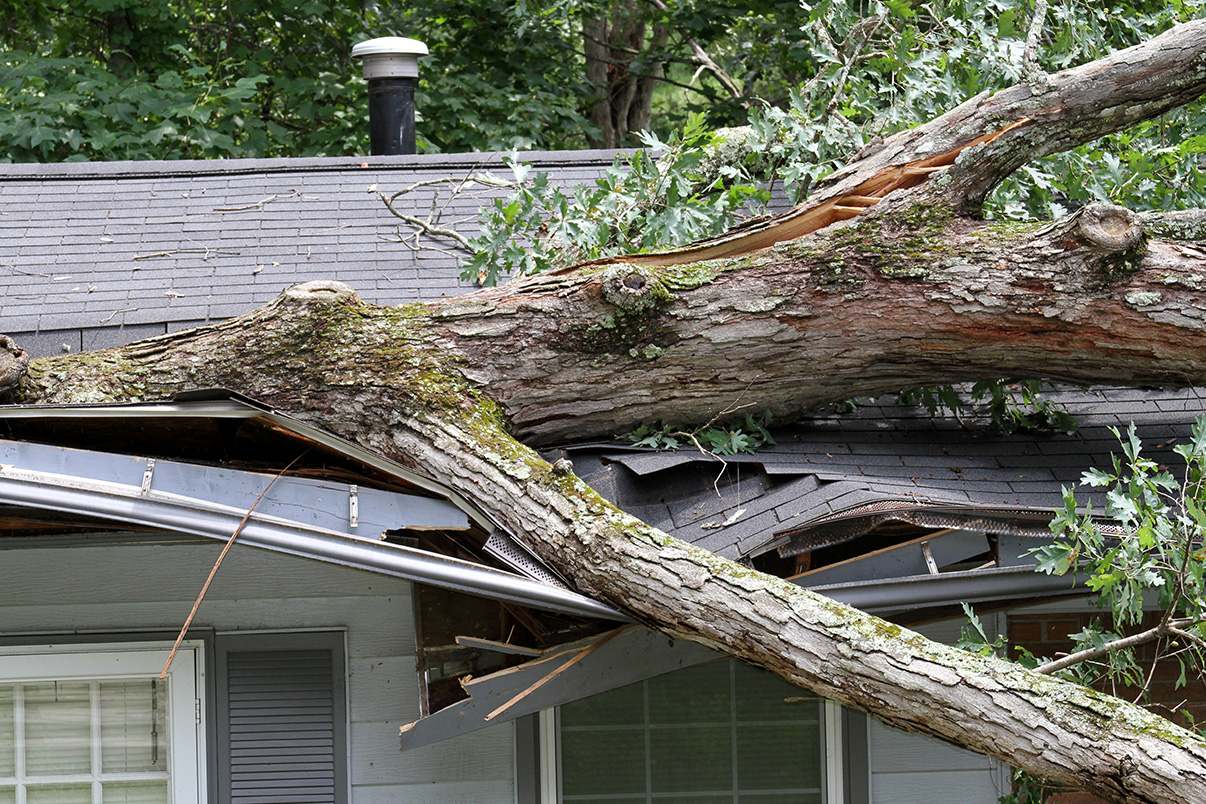
Roof damages can happen unexpectedly, causing a lot of stress for homeowners. It could be due to hailstorms, winds or even tree branches falling on the roof. Even the strongest roofs are vulnerable to these events so it’s important to be prepared.

Being ready for situations can make a difference. It’s not about minimizing the damage; it’s also about having peace of mind knowing that you can handle any crisis that comes your way. This means knowing what steps to take, from assessing the damage, to finding the professionals for help.

That’s why we’ve created this guide—to provide advice and knowledge specifically tailored to our community. We have years of experience serving the Dallas Fort Worth area so we understand the challenges and conditions including weather patterns, building styles and common roofing materials.

Our expertise doesn’t just come from reading textbooks or undergoing training; its based on real life experiences, within the community. So when we discuss roof repairs and emergency situations we aren’t just talking in terms. We’re offering advice that directly applies to your specific situation.

By understanding how to handle damages to your roof you’ll be well prepared to navigate the path towards a resolution minimizing the potential for further damage and expenses.

The Importance of Emergency Roof Repairs

A damaged roof isn’t about appearances; it poses a risk that can lead to a range of serious problems within your home. These issues can vary from inconveniences to structural deficiencies. Lets break down these concerns:

Leaks

A crack or hole in your roof can result in water entering your home. Initially these leaks may go unnoticed. Can quickly escalate, causing damage to ceilings, walls and floors. Furthermore water damage can ruin furniture, electronics and personal belongings which will only add to the repair costs.

Mold Growth

When moisture infiltrates through a damaged roof it creates an environment for mold growth.
Mold isn’t unsightly; it can have health implications especially for individuals, with allergies or respiratory conditions. Dealing with it can be both time consuming and costly especially if it spreads throughout the house.

Structural Concerns

When your roof is damaged it doesn’t just affect its appearance; it can jeopardize the stability of your home. Water seepage can weaken the beams while the added weight from accumulated snow or rain water puts strain on the roofing system. If left unaddressed these issues could eventually lead to a complete roof collapse putting lives at risk and significantly increasing repair expenses.

Energy Inefficiency

A damaged roof often results in insulation allowing precious warmth to escape during winter and cool air to slip away during summer. This inefficiency puts pressure on heating and cooling systems resulting in energy bills that you’ll have to contend with.

Decreased Property Value

Neglecting roof repairs can significantly decrease your home’s market value. Potential buyers are often cautious about damages and potential future repair costs making it more challenging for you to sell the property at your desired price.

Taking action when you notice signs of roof damage isn’t a matter of convenience; it’s crucial for maintaining the safety, efficiency and overall value of your home. Acting swiftly can prevent these problems from escalating. Potentially save you thousands of dollars in the long run. However, it’s not about savings; it’s also about having a sense of security. A care for roof safeguards not your belongings but also the welfare of your loved ones. By investing in expert repairs you guarantee that your house continues to be a cozy sanctuary, no matter what unforeseen obstacles may arise.

Step by Step Guide: Dealing with Unexpected Roof Damages

Evaluating Roof Damage Safely

When you suspect that your roof might have been damaged it’s essential to prioritize safety before conducting an assessment. Here’s a step, by step approach you can follow;

Keep Your Feet on the Ground

Resist the urge to climb up onto the roof yourself especially if the damage occurred during weather conditions. Wet or compromised roofs can be extremely slippery and unstable.

Opt for Binoculars

If available, using binoculars proves to be a way of getting a look without putting yourself in harm’s way. From a distance scan the roof for signs of damage such as missing shingles, cracks or any noticeable sagging.

Check for Interior Indicators of Roof Damage

In some cases roof damage may become apparent inside your home. Look out for water stains on ceilings and walls. Damp spots in the attic. These internal cues can provide insights into where the damage might be located on your roof.

Capture Photographs if Feasible

If you can safely take pictures of the areas without jeopardizing your well being these images can be highly valuable when communicating with a professional roofer.
Photos can offer a perspective allowing for a more precise initial evaluation, over the phone.

Take Notes

Write down what you observe including the location and nature of the damage. Specifics like the color or shape of stains, the size of any holes or cracks and any unusual sounds (like dripping) can provide information to a professional.

Avoid Interfering or Fixing

Resist the urge to touch or repair the damage yourself at this stage. Minor adjustments can potentially worsen the situation or pose safety risks.

Contact Phoenix and Fox Roofing

Once you have gathered this information, reach out to a roofing specialist. Your notes and images will assist them in gaining an understanding of the situation enabling them to come prepared when they visit your location.

This initial evaluation is not meant for self diagnosis. Instead it aims to gather details that will aid professionals in performing their job effectively. By adhering to these guidelines you can provide insights without compromising your safety. Remember that your observations serve as a step; it is always advisable to entrust assessments and repairs to trained professionals who handle roofing emergencies safely and efficiently.

Prevent Further Damage

When your roof is damaged it’s important to take measures to prevent any additional harm. One common solution is to cover the exposed areas with a tarp or plastic sheeting. Here’s a detailed guide on how to do it

Determine the Affected Area

First you’ll need to assess the size and shape of the damaged area that requires coverage. This will help you choose a tarp or sheeting. Look for spots where shingles are missing or damaged and also any visible holes or cracks.

Choose the Right Materials

For roof coverage heavy duty tarps are usually the choice as they are waterproof and durable. Make sure you select a tarp that’s large enough to cover the region with an additional 3 4 feet on each side.

If a tarp isn’t available thick plastic sheeting can be used as an alternative. Ensure that it has a thickness of 6 mil, for adequate protection.

Gather Necessary Tools

You will require some tools and materials to fasten the cover in place including;

  • Nails or staples
  • Hammer or staple gun
  • Strips of wood to assist in holding the tarp firmly

Positioning the Cover

Spread the tarp or plastic sheeting over the affected area making sure it extends at least 3 4 feet beyond the undamaged parts of the roof. This overlap is essential for preventing water from seeping

Safely Securing the Cover

Place strips of wood along the edges of the tarp or plastic sheeting.
Use nails or staples to attach both the wood strips and covering securely to the roof.
Ensure that you pull the cover tightly to prevent wind from lifting it.

Checking from Inside

If possible examine the area from, inside your home like an attic to verify that you have positioned the cover correctly over the damaged section.

Regular Monitoring

Continuously. Monitor the cover to ensure it stays in place until professional assistance arrives.

Important Safety Precautions

While homeowners can perform this process themselves please note that it involves climbing onto damaged roofs, which can be hazardous.If you have any worries regarding your well being or if the extent of the damage is significant it might be advisable to hold off and wait for help.

Contact Us: Get in Touch with Your Local Roofing Professional

When unforeseen damage occurs to your roof time becomes crucial and seeking help is essential. That’s where our team comes into play offering an efficient response tailored to your circumstances. Here’s why reaching out to us is your choice:

We Specialize in Emergency Roof Repairs

Our team possesses the training and experience required to handle emergency roof repairs expertly. We fully grasp the urgency and complexity of damages. We are well prepared to respond accordingly.

Prompt Response Time: With our local presence we can swiftly arrive on site minimizing any further harm.

Specialized Equipment: We come equipped with tools and materials designed specifically for emergency repairs ensuring a solution.

Comprehensive Solutions

We don’t offer fixes; instead we provide comprehensive solutions that address the underlying cause of the problem:

Thorough Assessment: Our knowledgeable experts will conduct an inspection to fully comprehend the extent of the damage and determine the suitable course of action.

We will create a custom repair plan: Each situation is unique which is why we customize our repair strategy based on your needs. Factors such as roof type, extent of damage and surrounding environment are all taken into consideration.We don’t just focus on short term fixes. Our goal is to not address the damage but also ensure that our repairs align with the long term integrity, structure and design of your roof.

Emphasis, on Quality and Trust

Our reputation for delivering high quality work and being trustworthy is rooted in our commitment to the community;

Licensed and Insured: We strictly follow all regulations and our work is fully covered by insurance providing you with peace of mind.

Clear Communication: We make sure you are informed every step of the way. We explain our findings, propose solutions and present all associated costs transparently. There are no surprises or mysteries.

Customer Satisfaction Guarantee: Your satisfaction is our priority. We confidently stand behind our work with guarantees.

Our professional team goes beyond providing a service; we become your partner in safeguarding your home. With expertise in emergency roof repairs and offering solutions we ensure that your home receives care exactly when you need it most.

Contact Your Insurance Provider

Once you become aware of the damage make sure to reach out to your insurance company. Most insurance providers offer numbers or online platforms where you can report an incident;

Provide Detailed Information: Make sure you are ready to provide a thorough description of the damage, including the date and time it occurred.

Have Your Policy Number Handy: Keep your policy number accessible as it will help expedite the process.

Document the Damage: Your insurance provider will likely require evidence of the damage.

Capture Photos: If possible take pictures of the damage, from angles. These images are crucial when assessing your claim.

Collect Supporting Documents: Any receipts or documentation related to roof repairs, maintenance or improvements can be helpful in supporting your claim.

Understand Your Coverage

It’s important to remember that different policies cover types of damages. Therefore it is crucial that you understand what your specific policy includes:

Ask for Clarification: Don’t hesitate to ask questions about your coverage when speaking with your insurance representative. Inquire about deductibles, limitations and which types of damages are covered.

Review Policy Documents: If available take some time to carefully review and understand all aspects of your policy documents for clarity, on what’s covered.

Cooperating with the Adjuster

When it comes to dealing with insurance claims most insurance companies will send out an adjuster to assess the damage.

To ensure a process here’s what you can do:
  1. Schedule the Visit: Coordinate a time for both you and the adjuster to meet and inspect the damage.
  2. Provide Access: Make sure that the adjuster has easy access to all areas that need to be examined for an assessment.
  3. Share Information: Help the adjuster by providing any photos, documents or other information that could aid in assessing the extent of the damage.

Working alongside Your Roofing Contractor

Your chosen roofing contractor can play a role in supporting your claim process. Here are some steps to consider:

  1. Sharing Estimates: Your contractor’s estimate can greatly contribute to determining the value of your claim.
  2. Coordinating with the Adjuster: Some contractors may be willing to meet with the adjuster in order to discuss and clarify any repairs or actions.

Staying Informed throughout the Process

To stay on top of your claims progress and fulfill any requirements from your end keep these points in mind:

  1. Follow Instructions: Promptly comply with any requests or instructions from your insurance provider ensuring a process.
  2. Request Updates: Regularly check in with your insurance provider, for updates on where your claim stands. If there are any steps you need to take.

By following these guidelines you can navigate through the claim process effectively while staying involved and informed along the way.

Why You Should Avoid DIY Roof Repairs

It can be tempting to take on DIY repairs especially if you’re skilled with household tasks. However when it comes to roofing attempting these repairs yourself can actually cause harm than good.

Here’s a detailed explanation of why it’s crucial to avoid tackling DIY roof repairs:

Potential for Additional Damage

Repairing a roof requires knowledge, tools and techniques. Minor errors can result in;

Leaks: If you incorrectly seal or replace damaged areas water may seep in leading to leaks and potential structural damage.

Weakened Structure: Improper repairs can weaken the structure of your roof making it more susceptible to damages.

Aesthetic Concerns: When shingles are misaligned or materials don’t match properly it creates inconsistencies that detract from your home’s appearance.

Safety Hazards

Working on a roof involves heights and dealing with structures, which can lead to;

Risk of Falls: Without the right equipment and safety training there is a higher chance of falling.
Injuries from Tools or Materials: Handling materials and tools, without training increases the risk of injuries.

Warranty Considerations

Many roofs come with warranties that may become invalid if repairs are not performed by a certified professional:

Manufacturer’s Warranty: Making repairs that deviate from the manufacturers specifications can void any warranty on the materials.

Workmanship Warranty: Certain contractors also provide warranties for their work but these warranties may be rendered void if you attempt DIY repairs.

Insurance Considerations

Attempting DIY repairs can also have implications for insurance claims:

Claim Denial: If your DIY repairs result in damage your insurance provider might reject your claim. Reduce the compensation you receive.

Liability Issues: In the event that you unintentionally cause damage to a neighbors property or harm someone while attempting repairs you could be held responsible.

Long term Financial Impact

Although DIY repairs may initially seem like a cost saving measure they often lead to:

Increased Repair Costs: If your DIY repairs go awry you might end up paying more for repairs on.
Diminished Property Value: executed repairs can diminish the value of your home. Affect its marketability.

While it is natural to have the inclination to address issues around your home independently it is advisable to entrust roofing repairs to professionals who possess knowledge and expertise.
If you don’t do the work properly it can cause problems, warranties create safety risks and even have legal and financial consequences.

If trying to do repairs yourself, focus on minimizing the damage initially by covering the affected area with a tarp and then getting help from professionals. By relying on certified experts for your roof repairs you’ll ensure that the job is done correctly safely and in compliance with all warranties and regulations. It’s an investment, in the long term well being of your home and your peace of mind.

Why Choose Us for Your Emergency Roof Repairs?

Having served the DFW Metroplex for years we provide a range of services:

Superior Workmanship: Our highly skilled technicians ensure top notch repairs.

The Best Rates in Town: We offer the best pricing without compromising on quality.

Fully Licensed and Insured: We strictly adhere to all local building codes and regulations.

Customer Happiness: We stand behind our work, with guarantees.

Conclusion

Dealing with roof issues can be quite overwhelming. You can rely on our skilled team to swiftly and effectively repair your roof. Whether it’s a leak or substantial structural damage our experts are dedicated to ensuring the safety and security of your home.

If you require help with emergency roof repairs please don’t hesitate to reach out to us at 214 808 2390. Rest assured that our local professionals will handle your roofing needs, with care and provide you with peace of mind.