
Top 10 Signs Your Roof Needs Repair Before It’s Too Late

Why Early Roof Repairs Are Critical
Why Paying Attention to Roof Warning Signs Matters
Your roof isn’t just another part of your home—it’s the first and most important line of defense against harsh weather, extreme temperatures, and outside elements. From shielding your family during storms to preserving your home’s structural integrity, your roof works hard every single day. Yet many homeowners don’t think about roof maintenance until major problems arise.
The truth is, small roofing issues can quickly snowball into costly disasters if ignored. What starts as a missing shingle or a tiny leak could lead to water infiltration, interior damage, mold growth, and even a full roof replacement well before your roof’s expected lifespan is up. In areas like the Dallas–Fort Worth Metroplex, where roofs face relentless heat, sudden hailstorms, and powerful winds, spotting problems early is even more critical.
Understanding the warning signs of roof damage gives you the power to act before it’s too late. By addressing repairs promptly, you can:
- Save thousands of dollars in emergency fixes.
- Prevent extensive structural or water damage.
- Extend the lifespan of your roof by several years.
- Protect the overall value and curb appeal of your property.
Whether you’re a homeowner in DFW or anywhere else, staying proactive about roof health is one of the best investments you can make in your home. Here are the top 10 warning signs that your roof needs repair—and why addressing them right away can save you time, stress, and money:
1. Missing, Cracked, or Curled Shingles
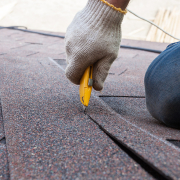
One of the most obvious and common signs your roof needs repair is the presence of damaged or missing shingles. Shingles are your roof’s first line of defense against rain, wind, and UV rays, so when they start to fail, the rest of your roofing system becomes vulnerable.
Why it Matters
- Missing shingles expose the underlayment and roof decking to direct water infiltration. Without the protective layer, heavy rain or melting hail can quickly seep into the structure, leading to leaks, wood rot, and even mold inside your attic.
- Cracked shingles indicate that the material has become brittle—often due to long-term exposure to the Texas sun, which bakes roofs with UV radiation and extreme heat during summer months.
- Curled or cupped shingles suggest that the shingles are reaching the end of their lifespan. This warping can be caused by poor attic ventilation, excessive moisture, or simple aging of the roofing material.
What to Look For
- Shingles lying in your yard or driveway after a storm.
- Uneven patches on your roof where shingles appear lifted or curled at the edges.
- Granules from shingles collecting in your gutters, signaling surface wear.
The DFW Factor
In the Dallas–Fort Worth Metroplex, high winds from spring storms and hail events frequently loosen or break shingles. Combined with weeks of triple-digit heat in the summer, the aging process is accelerated compared to milder climates. That means homeowners in DFW may see cracked or curled shingles appear sooner than the manufacturer’s expected lifespan.
What to Do Next
If you notice damaged shingles, don’t wait. Even one missing or cracked shingle can compromise an entire section of your roof during the next rainstorm. A roofing contractor can quickly replace or repair these areas, helping you avoid expensive repairs to your attic or interior.
2. Water Stains on Ceilings or Walls
One of the most noticeable—and alarming—signs that your roof may need repair is the appearance of brown spots, streaks, or bubbling paint on your ceilings or interior walls. These stains are often caused by water seeping through the roofing system and into your home. Even if the discoloration seems minor, it’s a strong indicator that water has already compromised part of your roof’s protective barrier.
Why This Matters
- Mold Growth: Persistent moisture creates the perfect environment for mold and mildew to thrive. Mold not only damages your home but can also pose serious health risks to your family.
- Insulation Damage: When insulation becomes wet, it loses effectiveness, making it harder to regulate indoor temperatures and increasing energy bills.
- Structural Weakening: Over time, trapped water can rot wood framing, damage drywall, and weaken the overall structure of your home.
What to Look For
- Yellowish or brown water stains that spread over time.
- Bubbling, peeling, or cracking paint on ceilings or walls.
- A musty odor in certain rooms, which often accompanies hidden leaks.
The DFW Factor for Water Stains on Ceilings or Walls
Homes in the Dallas–Fort Worth area are particularly prone to this type of roof damage due to the region’s frequent hailstorms, driving rain, and high winds. These weather events can loosen shingles or flashing, allowing water to penetrate the roof. Because Texas storms can come suddenly and with force, even a small breach in the roofing system can quickly escalate into widespread interior damage.
What to Do Next
If you see water stains, don’t just paint over them—address the root cause. Call a professional roofing contractor in DFW to identify and repair the source of the leak before the problem worsens. Catching it early could mean the difference between a simple patch repair and thousands of dollars in interior and roof replacement costs.
3. Sagging Roof
A sagging roof is one of the most serious warning signs that your home may have major structural problems. Unlike missing shingles or small leaks, sagging often indicates that the integrity of the entire roofing system—and possibly your home’s structure—has been compromised.
Why This Matters
- Long-Term Water Damage: Water that penetrates through leaks and sits for long periods can rot wooden decking and trusses, causing them to weaken and bend under the roof’s weight.
- Weakened Decking: Over time, moisture infiltration softens the plywood or boards that make up your roof deck, leading to dips or depressions.
- Compromised Support Beams: If the rafters or joists holding up your roof have been damaged by termites, water, or age, they may no longer be strong enough to hold the structure in place.
What to Look For
- A visible dip or sag in one area of the roof when viewed from the street.
- Uneven rooflines compared to neighboring homes.
- Inside signs like cracked drywall, bowing ceilings, or doors that suddenly don’t close properly—these can all point to structural stress.
The DFW Factor for a Sagging Roof
In the Dallas–Fort Worth Metroplex, sagging roofs can result from repeated exposure to hail, heavy rainfall, and high winds that gradually wear down roofing systems. Homes with older roofs, especially those over 20 years old, are at higher risk. Additionally, ponding water on flat or low-slope roofs—a common issue in DFW commercial and residential properties—can add excessive weight, further contributing to sagging.
What to Do Next
A sagging roof is not a repair you can put off. It’s a red flag for immediate professional inspection. Ignoring the problem can lead to roof collapse in extreme cases, endangering your home and family. Contact a licensed roofing contractor in DFW right away to assess the damage. In some cases, reinforcement may be possible, but if the structural components are severely compromised, a full roof replacement may be necessary.
By catching sagging early, you can prevent catastrophic damage and protect your home’s safety and value.
4. Granules in Gutters
When cleaning your gutters or downspouts, you might notice small black or sandy granules collecting in them. These granules aren’t just random dirt—they’re actually the protective mineral coating from your shingles. Granules play a critical role in shielding shingles from the sun’s harsh UV rays and helping them resist fire, impact, and weathering.
Why This Matters
- Loss of UV Protection: Without granules, shingles are left exposed to direct sunlight. Over time, this exposure accelerates deterioration, causing shingles to dry out, crack, or curl.
- Shortened Roof Lifespan: Granule loss is a sign that your shingles are reaching the end of their service life. Even if they still look intact from the ground, their protective properties are compromised.
- Potential for Leaks: As shingles wear down, water can more easily penetrate the underlayment, leading to leaks and damage inside your home.
What to Look For
- Sandy debris in your gutters or near your downspouts after rainstorms.
- Bald patches on shingles where the surface coating is visibly worn away.
- Dark, uneven spots across your roof where granules have thinned.
The DFW Factor for Clogged Gutters
In the Dallas–Fort Worth Metroplex, granule loss is especially common after hailstorms or high winds. Hail impact can knock granules loose, while powerful winds and flying debris can scrape shingle surfaces. Additionally, prolonged exposure to triple-digit summer heat accelerates the aging process, making shingle surfaces more brittle and prone to shedding granules earlier than expected.
What to Do Next
If you notice a significant amount of granules in your gutters, it’s time to schedule a professional roof inspection. While a small amount of granule loss is normal over the life of a roof, excessive shedding can indicate that your shingles are nearing failure. Depending on the severity, a contractor may recommend spot repairs or a full roof replacement.
Catching this early helps protect your home from water intrusion, ensures your shingles continue to perform effectively, and prevents costly interior damage down the line.
5. Damaged Flashing
Flashing is one of the most important yet often overlooked components of your roof. Installed around areas where the roof meets walls, chimneys, skylights, or vent pipes, flashing acts as a protective seal that directs water away from vulnerable seams and joints. Without it, even a light rainstorm can cause water to seep inside your home.
Why This Matters
- Water Infiltration: Loose, corroded, or missing flashing provides a direct entry point for water. Over time, this can lead to widespread leaks, mold, and even structural decay.
- Compromised Seals: Flashing is designed to bridge gaps between roofing materials and vertical structures. Once that barrier is compromised, no amount of shingles or underlayment can compensate.
- High Repair Costs if Ignored: While replacing flashing is relatively inexpensive compared to other repairs, ignoring it often leads to costly ceiling repairs, damaged drywall, and ruined insulation.
What to Look For
- Metal flashing that is rusted, bent, or missing altogether.
- Seals around vents or chimneys that appear cracked or separated.
- Staining on walls or ceilings near chimneys, skylights, or upper-story walls.
The DFW Factor for Damaged Flashing
In the Dallas–Fort Worth Metroplex, high winds and hailstorms are frequent culprits for damaged flashing. Strong gusts can loosen flashing, while hail impacts can dent or crack it. Add to that Texas’s intense summer heat, which causes materials to expand and contract, and flashing often deteriorates faster in this region than in cooler climates.
What to Do Next
If you notice issues with your flashing—or see leaks inside your home near chimneys, vents, or skylights—it’s critical to call a professional roofing contractor right away. Repairing or replacing flashing is a straightforward fix when caught early, but delaying it can result in extensive and expensive damage.
6. Frequent Mold, Moss, or Algae Growth
At first glance, moss, algae, or dark streaks on your roof might seem like nothing more than a cosmetic concern. Many homeowners assume it’s just a matter of appearance, but in reality, the presence of moss or algae is a clear warning sign of trapped moisture. Over time, that moisture can wreak havoc on your shingles and the overall health of your roof.
Why This Matters
- Moisture Retention: Moss and algae hold onto water like a sponge, keeping your shingles damp long after rain has passed. This constant moisture accelerates the breakdown of roofing materials.
- Shingle Damage: As moss grows, it can lift shingles from the roof surface, leaving gaps where water can seep in. This not only compromises the waterproofing ability of the shingles but can also damage the underlayment beneath.
- Rot and Mold Risk: Prolonged dampness creates the ideal environment for rot in wooden decking and mold growth in your attic, which can spread inside your home.
What to Look For
- Green, fuzzy patches of moss growing along shaded rooflines.
- Black or dark streaks, often caused by algae, especially visible on lighter-colored shingles.
- Shingles that appear lifted or distorted by underlying growth.
The DFW Factor for Frequent Mold, Moss, or Algae Growth
While North Texas is known for its hot, dry summers, spring rains and humid conditions create the perfect breeding ground for moss and algae—particularly on roofs that remain shaded for much of the day. Homes in tree-lined areas of Dallas, Fort Worth, and surrounding suburbs are more prone to this issue. If left untreated, the combination of shade and humidity can significantly shorten a roof’s lifespan.
What to Do Next
If you notice moss or algae, don’t attempt to scrape it off yourself, as this can damage shingles further. Instead, schedule a professional roof cleaning using safe, non-abrasive methods and treatments designed to kill and prevent regrowth. For long-term prevention, many contractors recommend installing zinc or copper strips along the roof ridge, which naturally inhibit moss and algae growth when rainwater washes over them.
Taking action quickly ensures your roof remains both functional and visually appealing, protecting your home from hidden water damage.
7. Higher Energy Bills
If you’ve noticed a sudden spike in your monthly heating or cooling costs, your roof may be part of the problem. While many homeowners first assume their HVAC system is failing, roof damage can also be a major culprit.
Why This Matters
- Poor Insulation: A roof that’s been compromised by leaks, moisture damage, or age often loses its ability to insulate your home effectively. Warm or cool air escapes more easily, forcing your HVAC system to run longer to maintain comfortable indoor temperatures.
- Inadequate Ventilation: Proper attic ventilation regulates temperature and moisture levels. When ventilation is blocked or damaged due to roof problems, it creates hot spots in summer and cold drafts in winter, driving up energy usage.
- Leaks and Gaps: Even small gaps in the roofing system can allow conditioned air to escape while letting in outside air. This constant exchange puts additional strain on your home’s heating and cooling systems.
What to Look For
- A consistent increase in utility bills without changes in household energy use.
- Rooms that feel hotter in summer or colder in winter, especially near the attic.
- Signs of moisture or mold in insulation, which indicate water intrusion.
The DFW Factor for Higher Energy Bills
In the Dallas–Fort Worth Metroplex, where summers often hit triple-digit heat, even minor inefficiencies in your roof can cause massive spikes in cooling costs. Roof damage from hailstorms or aging shingles often goes unnoticed until energy bills start climbing. Many DFW homeowners are surprised to learn that repairing roof leaks or upgrading damaged materials can reduce cooling costs by up to 20–30% during peak summer months.
What to Do Next
If your utility bills are climbing without explanation, schedule both a roof inspection and an attic assessment. A roofing contractor can identify leaks, damaged insulation, or ventilation issues and recommend solutions such as resealing leaks, replacing worn shingles, or improving attic airflow. Addressing these problems not only restores comfort but also saves money month after month.
8. Daylight Through the Attic
One of the simplest ways to detect roof problems is to head into your attic during the daytime If you see streaks or beams of sunlight coming through the roof boards, it’s a strong indicator that your roofing system has gaps, missing materials, or compromised decking. While it may seem like a minor issue, this visible light is actually a red flag for much larger problems.
Why This Matters
- Water Intrusion: If light can pass through your roof, so can rain. Even a small gap can allow water to seep in, leading to leaks, wood rot, and mold growth in the attic.
- Energy Loss: These gaps also let conditioned air escape and outdoor air enter, making it harder to maintain indoor comfort and causing higher heating and cooling bills.
- Pest Entry: Openings in your roof create easy entry points for pests like squirrels, birds, or insects, which can nest in your attic and cause further damage.
What to Look For
- Small pinholes of light filtering through roof decking.
- Larger gaps where shingles or underlayment may be missing.
- Drafts of air moving through the attic in areas where light is visible.
The DFW Factor for Daylight Through the Attic
In the Dallas–Fort Worth Metroplex, strong winds and hailstorms often tear away shingles or damage flashing, leaving behind small openings that grow worse over time. With frequent severe weather, what starts as a tiny hole from storm damage can quickly widen, especially under the strain of heavy rain or high summer heat.
What to Do Next
If you notice sunlight in your attic, it’s time to call a professional roofing contractor immediately. A thorough inspection will determine whether the issue can be resolved with minor repairs—such as replacing missing shingles or resealing flashing—or if larger sections of the roof need reinforcement. The key is not to delay; the longer those openings are left unaddressed, the more damage they can cause to your home’s structure and energy efficiency.
9. Frequent Leaks After Storms
If every time a heavy storm rolls through you find yourself placing buckets around the house to catch dripping water, it’s a serious sign that your roof has gone beyond the stage of simple patch jobs. While an isolated leak can often be repaired, multiple leaks appearing after every storm point to widespread system failure in your roofing structure.
Why This Matters
- Compromised Waterproofing: When leaks keep appearing, it means your shingles, underlayment, or flashing are no longer working together to keep water out.
- Interior Damage: Recurring leaks can damage ceilings, walls, and insulation. Over time, this leads to rot, weakened drywall, peeling paint, and even electrical hazards if water comes into contact with wiring.
- Mold Growth: Persistent moisture creates ideal conditions for mold and mildew, which can spread quickly through your attic and living areas, posing health risks for your family.
- Escalating Costs: While a single leak might cost a few hundred dollars to repair, multiple leaks typically require large-scale work. Delaying action only increases repair costs and can accelerate the need for full replacement.
What to Look For
- New leaks forming in different parts of the home after each storm.
- Water stains that continue to grow even after prior “repairs.”
- Musty smells in the attic or upstairs rooms indicating moisture buildup.
The DFW Factor for Leaks After Storms
In the Dallas–Fort Worth Metroplex, where hailstorms, high winds, and torrential downpours are common, roofs can deteriorate much faster than in other regions. Severe storms can rip shingles away, dent flashing, and weaken the roof deck all at once. If your roof is older, each storm season increases the likelihood that multiple leaks will appear. At that point, spot repairs are often just temporary fixes, and the entire roofing system may need to be replaced to restore full protection.
What to Do Next
If your roof develops new leaks every time it rains, it’s time to stop patching and call a professional roofing contractor for a comprehensive inspection. They’ll determine whether repairs can buy you a little more time or if a complete roof replacement is the smarter, long-term investment. Acting quickly can save you from extensive structural damage and skyrocketing repair bills.
10. An Aging Roof
Even if your roof looks fine from the ground, its age alone can be a major warning sign that repairs or replacement are on the horizon. Most asphalt shingle roofs last between 20–25 years, depending on the quality of the materials, installation, and maintenance. After this point, the roofing system begins to lose its ability to withstand the elements effectively, leaving your home more vulnerable to leaks and storm damage.
Why This Matters
- Natural Wear and Tear: Shingles lose granules, dry out, and become brittle with time. Even without visible damage, an aging roof simply cannot perform as well as a newer one.
- Weathering from DFW Conditions: In the Dallas–Fort Worth area, the life expectancy of roofs is often shorter than the national average due to intense summer heat, hailstorms, and high winds. Many homeowners find their roofs need major work after 15–20 years instead of the full 25.
- Compounding Issues: An older roof that already shows signs like curling shingles, frequent leaks, or sagging is well past the stage where repairs are cost-effective. In many cases, replacing the entire roof is the smarter investment.
What to Look For
- Your roof’s installation date: If you can’t remember when it was last replaced, that’s a red flag.
- Visible signs of aging like fading, curling shingles, or granule loss.
- More frequent need for small repairs—an indicator that the roof system is failing as a whole.
What to Do Next
If your roof is nearing—or has already passed—its expected lifespan, schedule a professional inspection. A roofing contractor can tell you whether targeted repairs are enough to buy you time or if a full replacement is needed to ensure long-term protection. While replacement is a significant investment, it also offers benefits such as:
- Enhanced curb appeal and resale value.
- Improved energy efficiency with modern materials.
- Peace of mind during storm season in North Texas.
When your roof is approaching the 20–25 year mark, staying proactive ensures you don’t wait until it’s too late—and risk costly emergency repairs or water damage inside your home.
Final Thoughts on Signs Your Roof Needs Repair Before It’s Too Late
Recognizing these warning signs early can save you from expensive emergency repairs and even extend the lifespan of your roof. If you notice one or more of these issues, schedule a professional roofing inspection right away.
For homeowners in the Dallas–Fort Worth Metroplex, where hail, high winds, and extreme heat put roofs under constant stress, catching problems early is the best way to protect your home and your investment.




Leave a Reply
Want to join the discussion?Feel free to contribute!